Abe, DinoSAURs & Cowboys
THE ORIGINS OF CHARACTER PERFORMANCE IN GAMES
Oddworld, Dino Crisis 3 & Red Dead Revolver
From Side-Scrolling Characters to Cinematic Storytelling
Before cinematic storytelling became standard in games, studios were experimenting with how
characters could communicate emotion, personality, and narrative through animation.
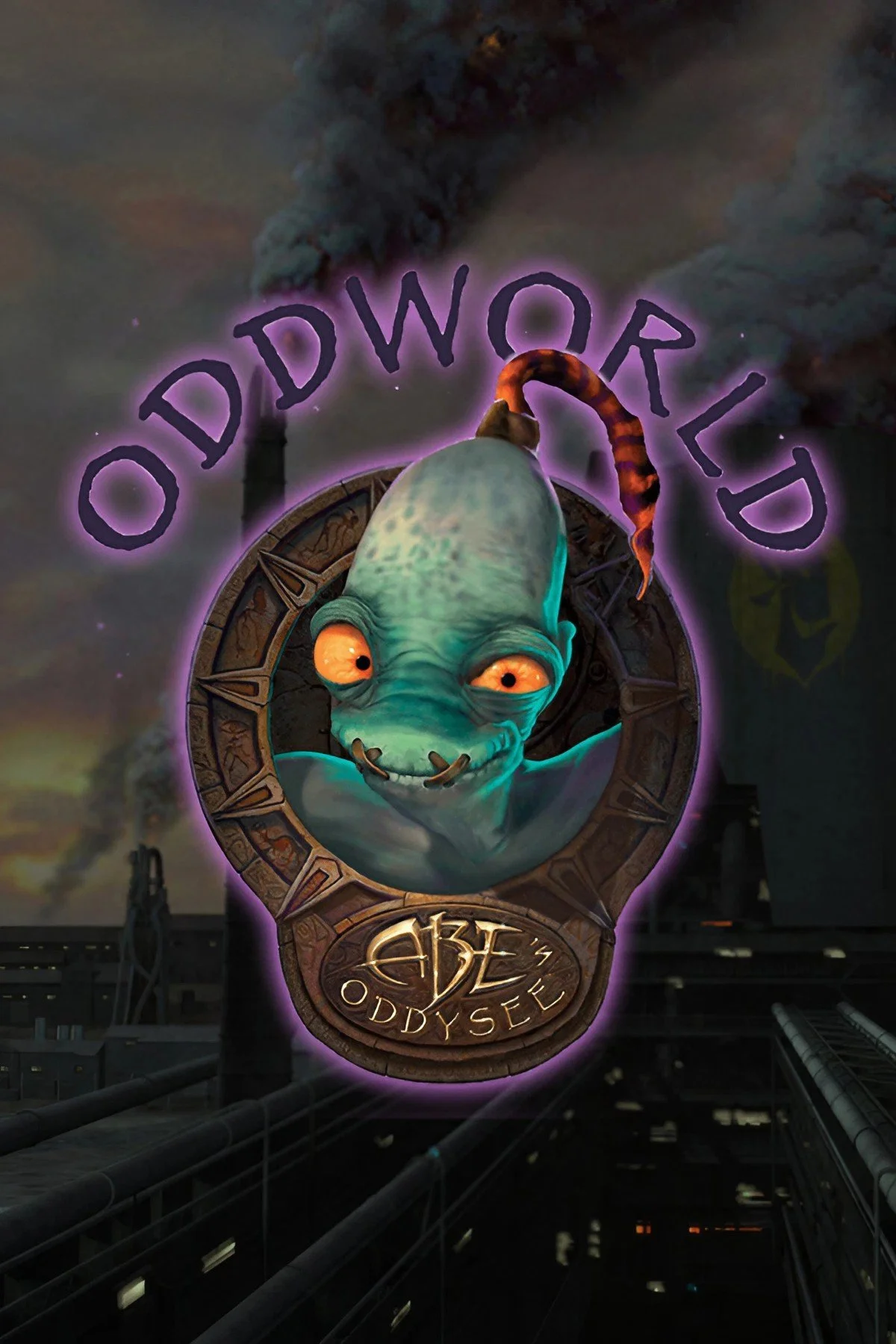
At Oddworld Inhabitants, I helped create over twenty minutes of pre-rendered cinematics for Abe's Exoddus with a team of six artists in just eight months.
The experience became the foundation for my approach to character performance and facial animation,
focusing on dialogue, timing, and emotional intent rather than visual imitation.
As the industry evolved toward larger productions and fully 3D worlds, that foundation carried into projects including Dino Crisis 3
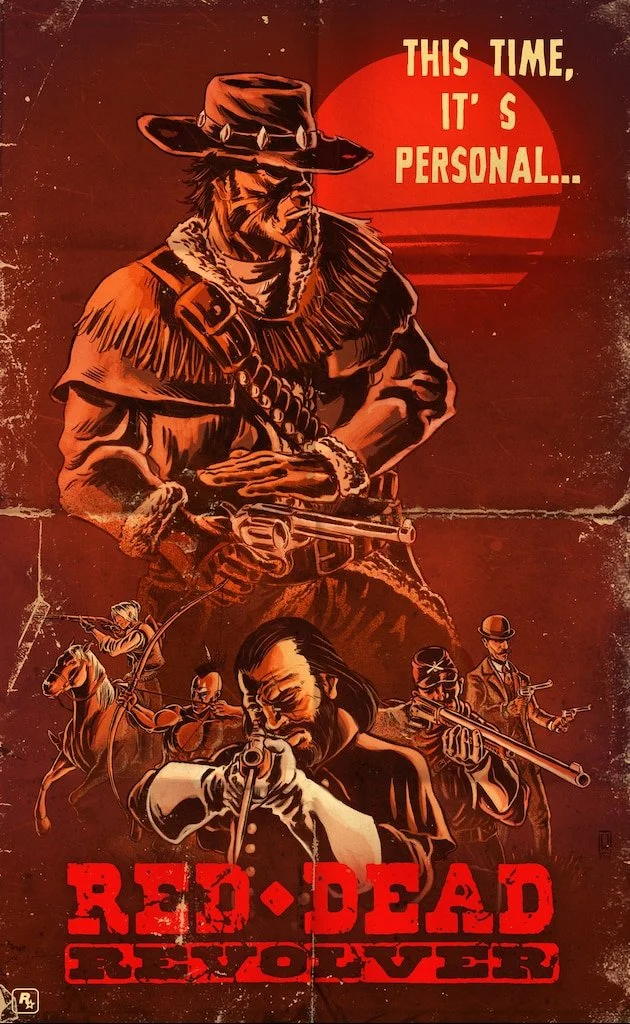
and Red Dead Revolver, where character performance, cinematic presentation, and
cross-studio collaboration became increasingly important parts of game development.
Year: 1998-2000
Client: GT Interactive, CAPCOM Japan
Studio: Oddworld Inhabitants, Angel Studios
Project: Abe’s Exoddus, Dino Crisis 3, Red Dead Revolver, Smuggler's Run
Industry: Early Video Game Production
Technology: Proprietary Engines, Maya
Role: Animator, Lead Artist, Animation Director, Capcom Liaison, GDC Speaker

THE CHALLENGE
Games were beginning to demand stronger storytelling, but the tools, workflows, and performance techniques were still being invented. The challenge was creating believable character performances that could carry dialogue, emotion, and narrative within the technical limitations of early game production.
My Contribution
Created character and facial animation for narrative game cinematics
Helped produce more than 20 minutes of pre-rendered cinematics for Abe's Exoddus
Developed an audio-driven approach to facial animation based on speech patterns and performance intent
Presented facial animation techniques to a standing-room-only audience at GDC in 1998
Served as liaison between Capcom Japan and production teams on Dino Crisis 3 and Red Dead Revolver
Contributed to multiple game productions during a formative period in AAA game development
The Transformation
Character animation evolved from functional gameplay support into a storytelling discipline. By focusing on dialogue, timing, and performance rather than simple lip synchronization, animation could convey emotion, personality, and narrative intent. Many of the principles developed during this period continue to inform my approach to character performance today.
Why It Matters
The late 1990s and early 2000s marked a pivotal period in game development as studios evolved from small teams and experimental pipelines into large-scale productions capable of supporting cinematic storytelling and complex character animation.
Working across projects ranging from stylized characters and dialogue-driven cinematics to action games and international collaborations gave me firsthand experience in the evolution of modern game production. Many of the performance principles developed during this period still inform my work in virtual humans, facial animation, immersive experiences, and AI-assisted storytelling.
industry impact
This era helped establish the foundations for the cinematic, character-driven experiences that define today's game industry. The lessons learned during the rise of AAA development would later influence work across visual effects, virtual humans, immersive experiences, and AI-assisted storytelling.